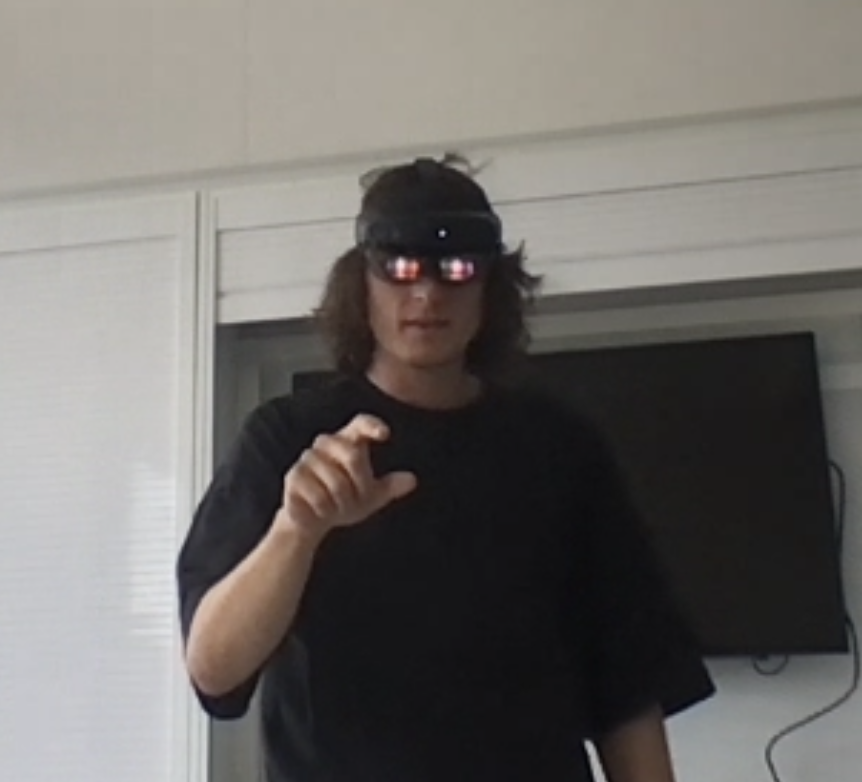
Product leader and creative technologist, building AI-native products. The fastest way out of ambiguity is something that runs. Founded a company, built a department, shipped to production for IKEA and BMW.
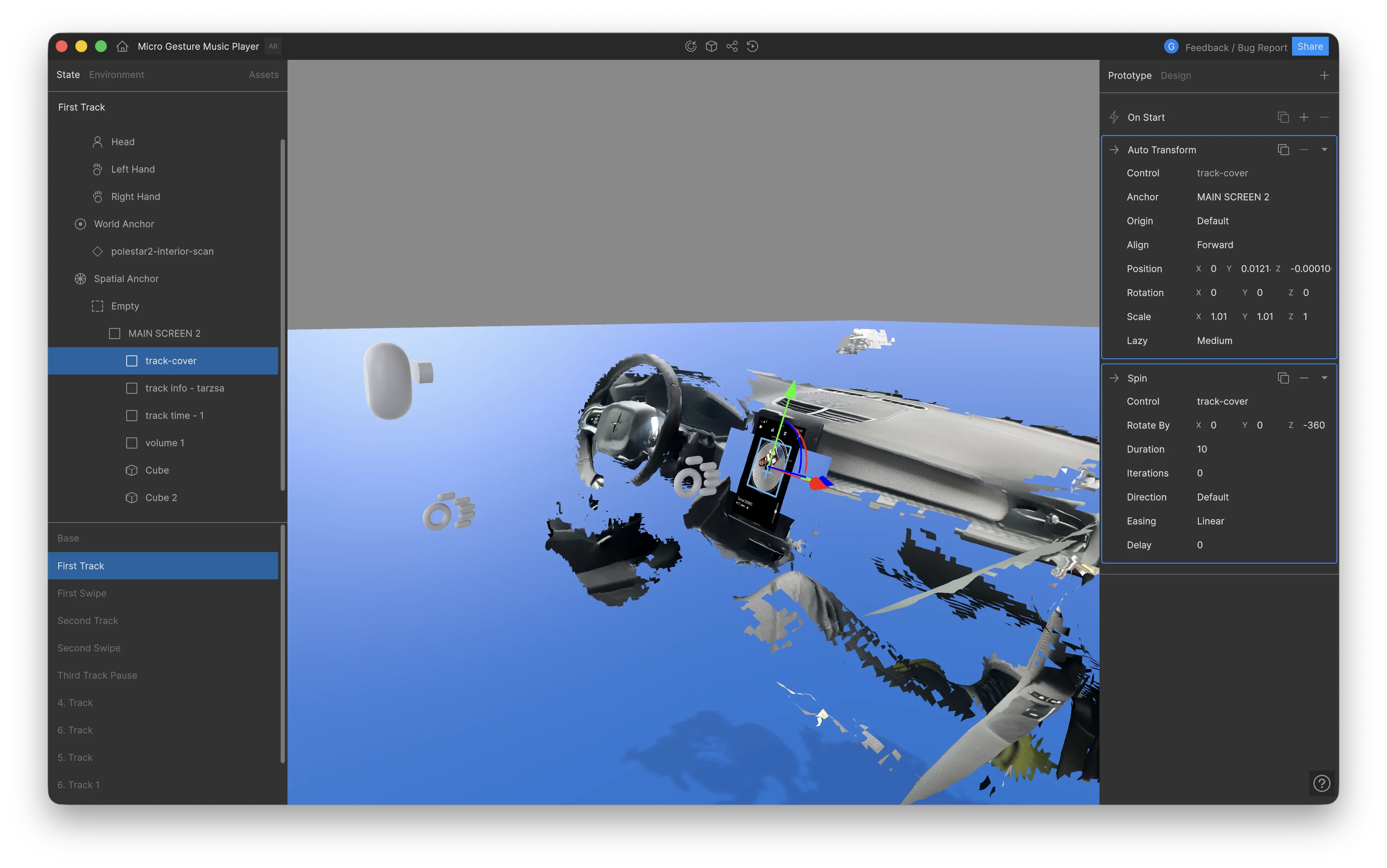
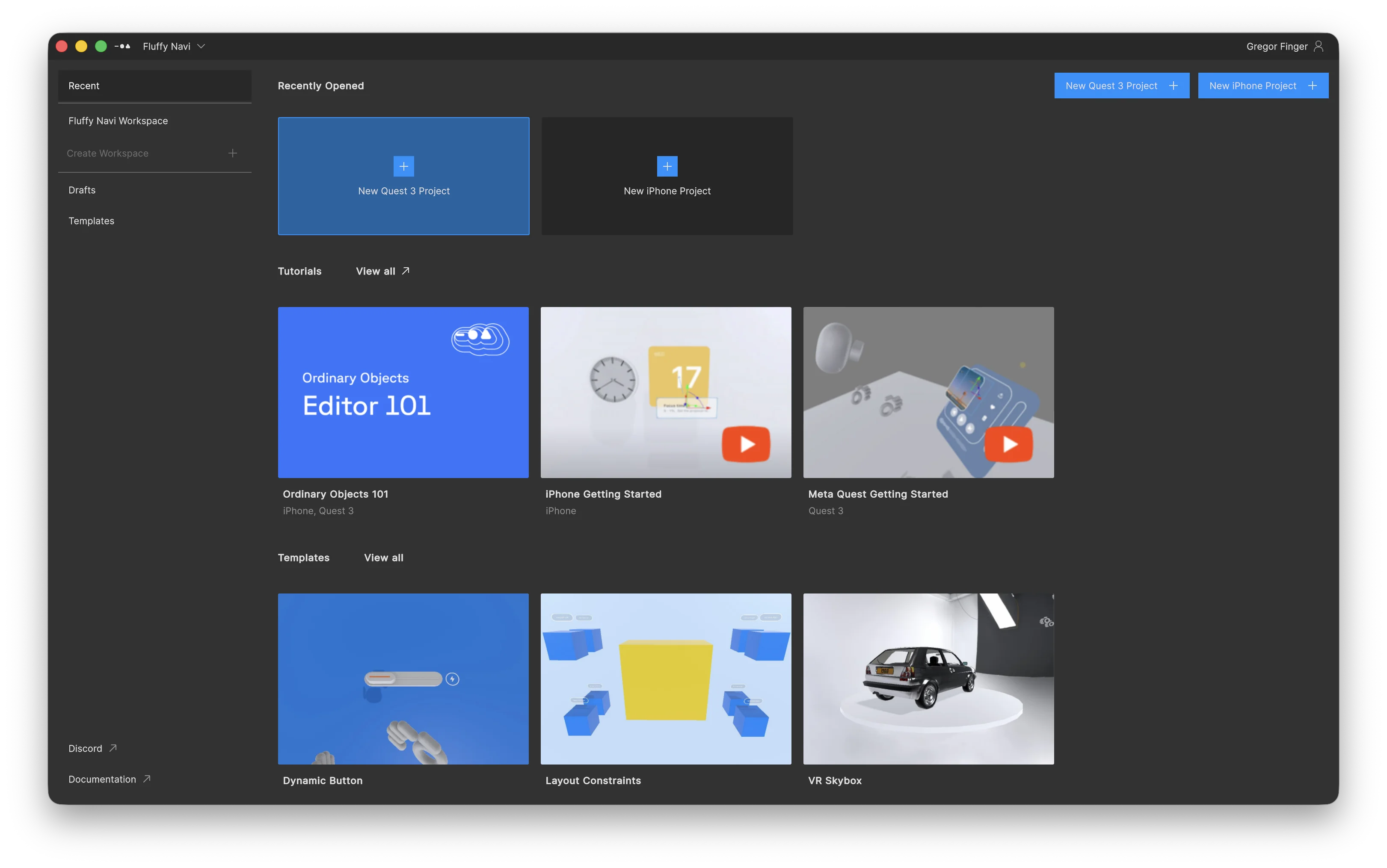
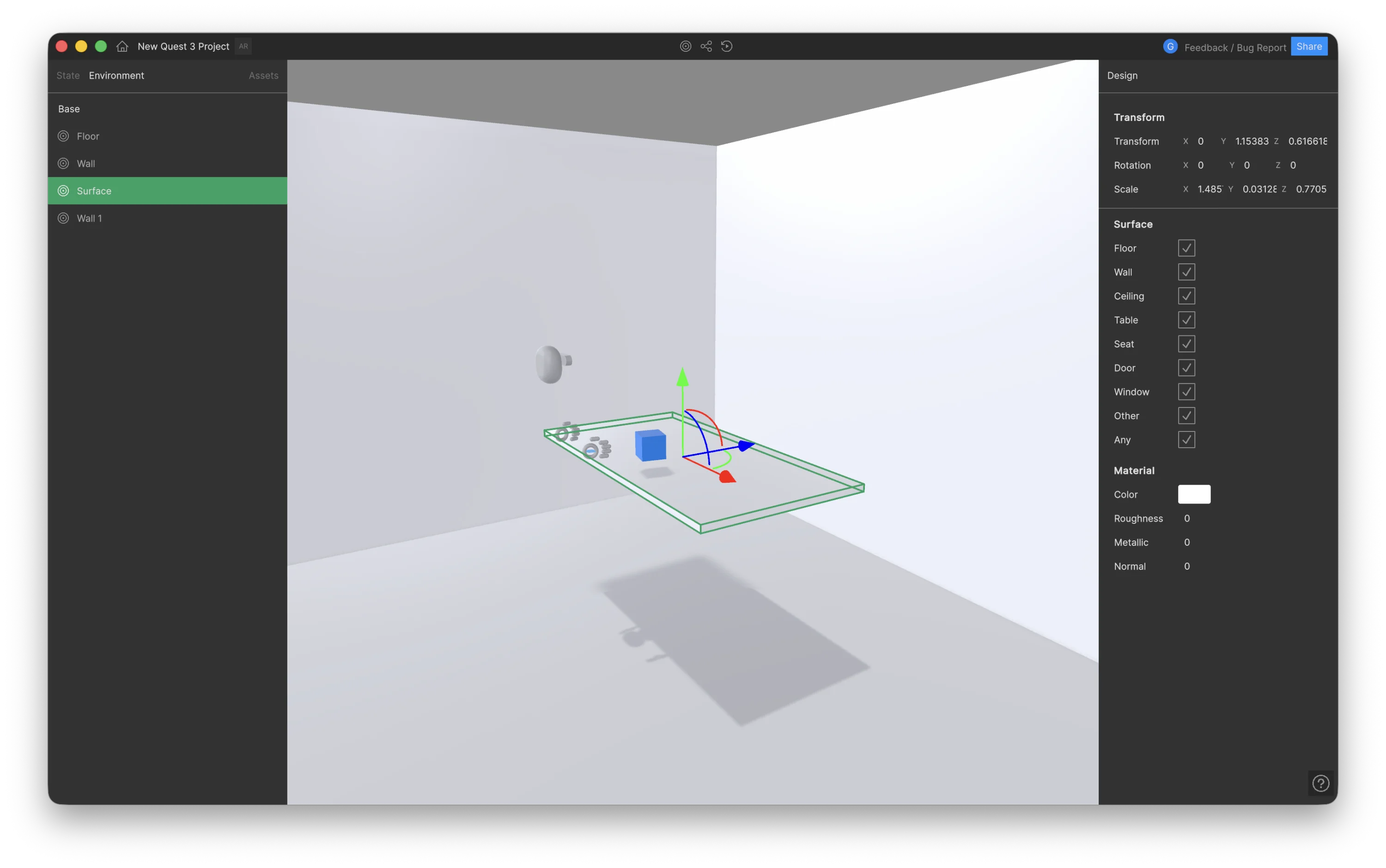
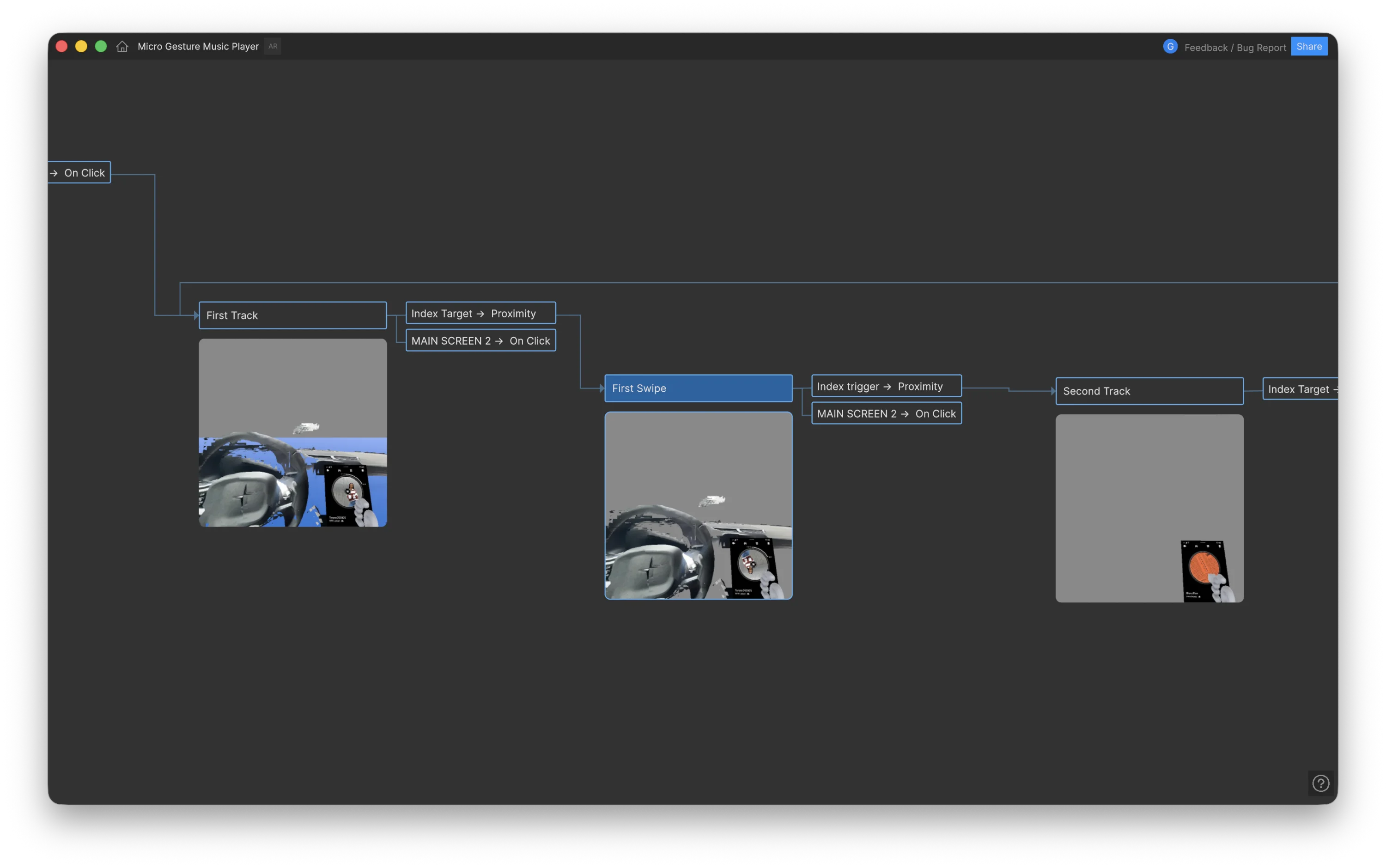
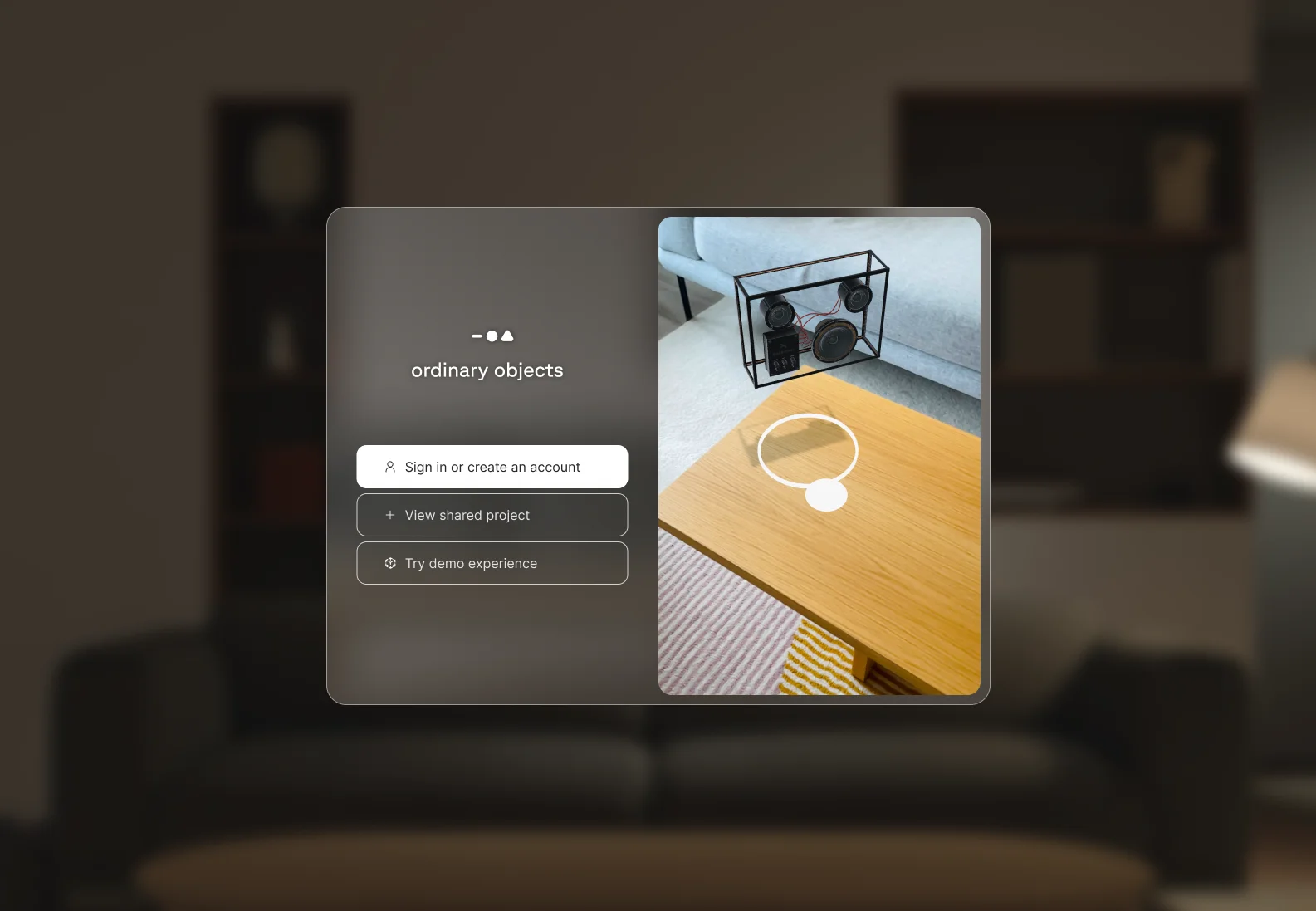
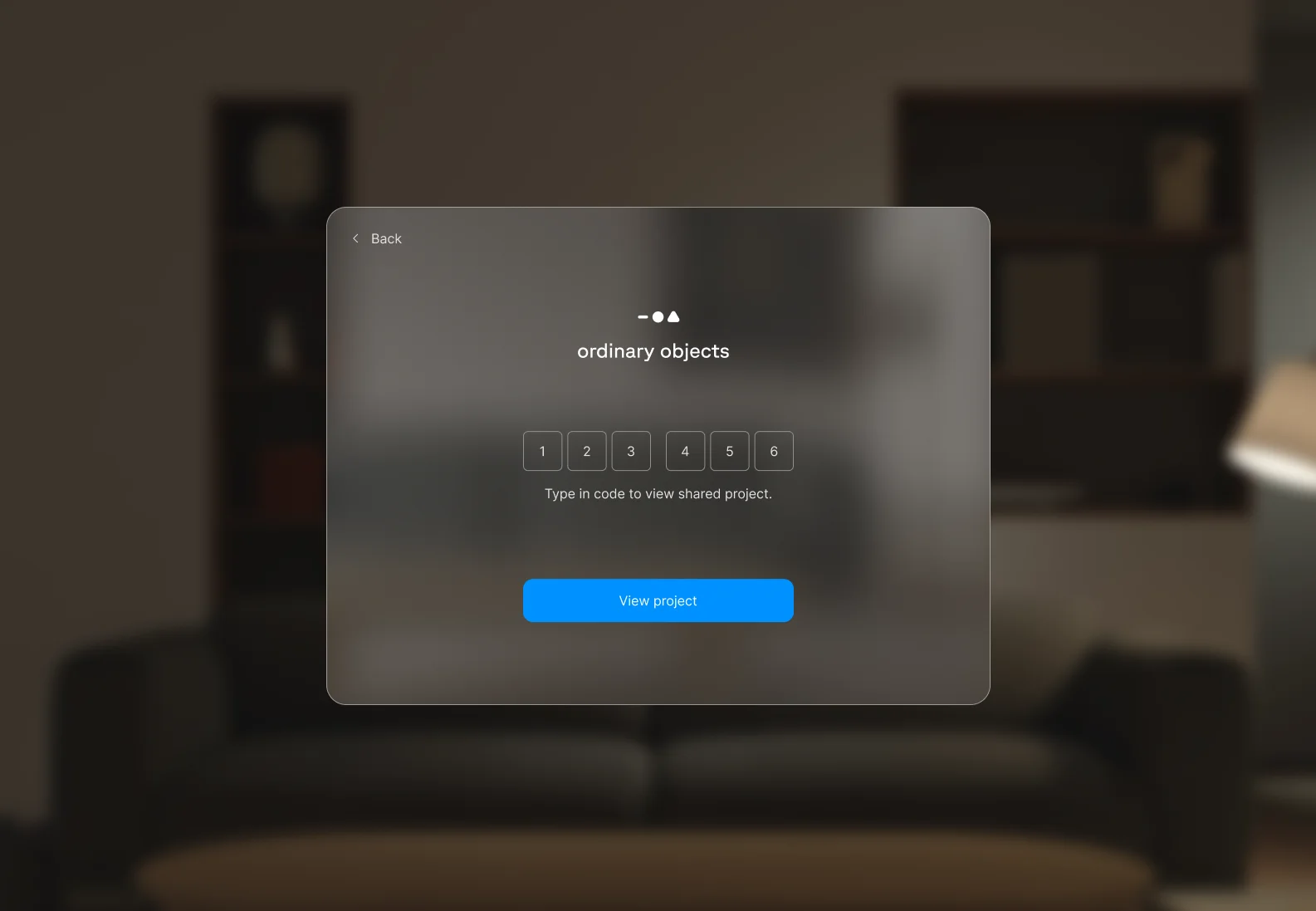
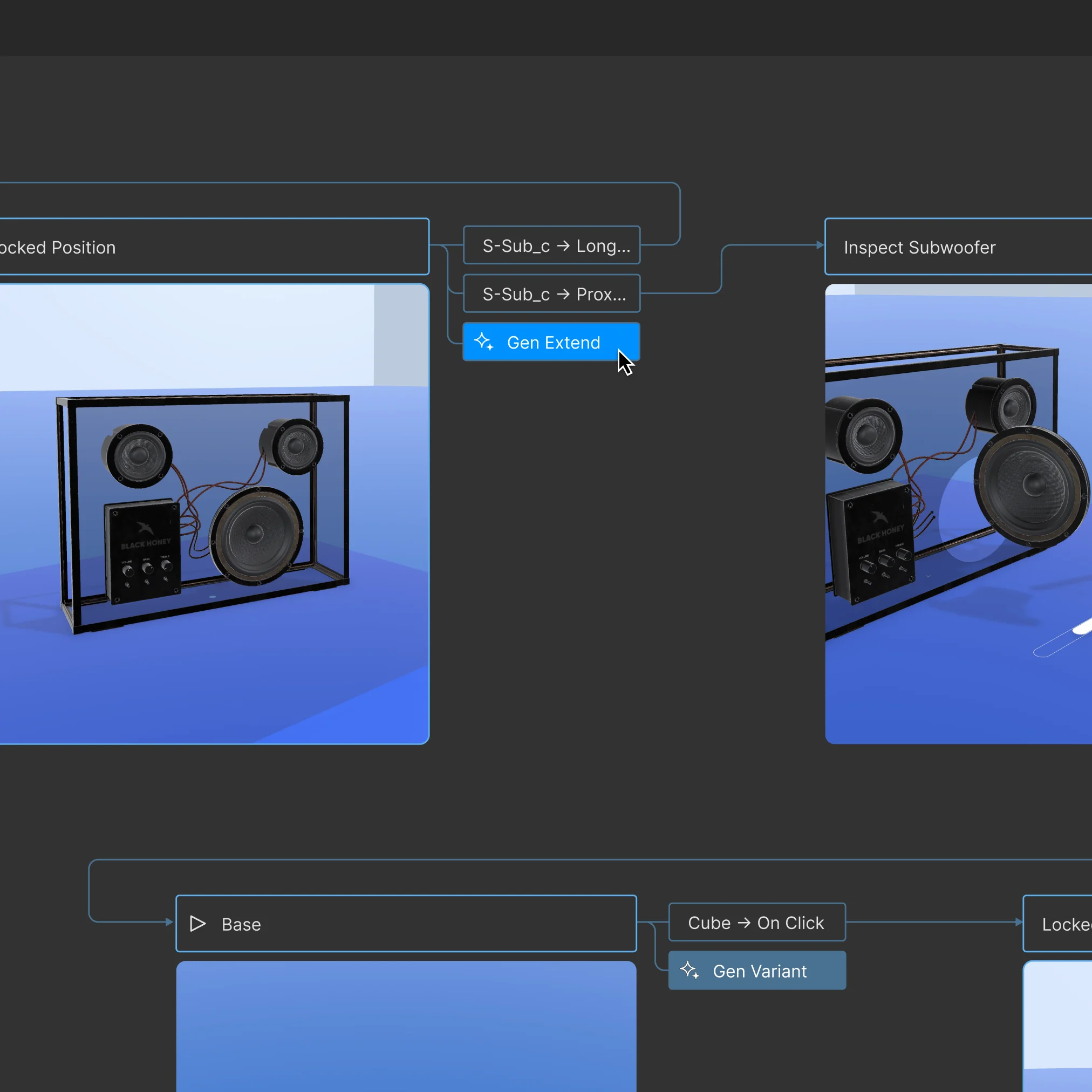
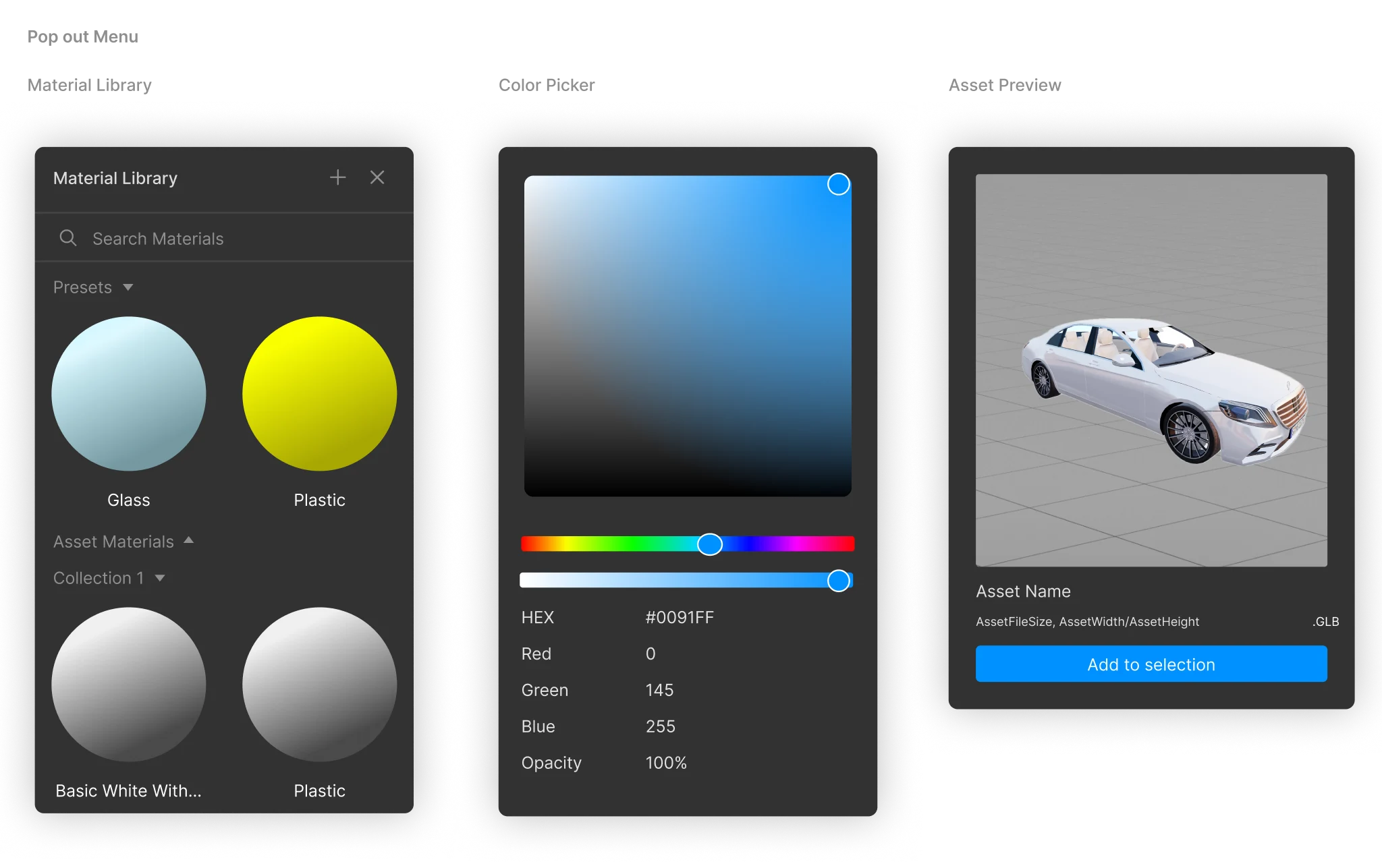
Ordinary Objects is a platform to design and prototype spatial apps. The goal is to help designers ideate and build intuitive and delightful mixed reality projects.
I started the company on a bet. When genuinely new affordances arrive, the workflows of old tools don’t transfer to them, they break. A new medium needs native tools, not ports of the ones we already have.
That bet decided the build order. We shipped a desktop editor with mirror apps across iOS, visionOS and Meta Quest on a shared technical foundation, and sequenced them on what the hardware could actually do rather than on what looked most exciting. iOS came first, to get the editor tooling right while headset sensors weren’t there yet. When Quest 3 launched we ported in a month. visionOS followed on the same groundwork.
I raised a 10M NOK seed round, led a team of four engineers, and owned product strategy and design while staying hands-on in the build. We shipped platform capabilities on two-week cycles and worked with BMW, Nexus Studios and UNIT9.
More recently I built an MCP server that lets agents set up entire 3D projects. The useful finding was where they stop. Agents use complex tools reliably and fail at spatial reasoning, and that boundary is what decides where a human belongs in the loop. It’s the thread I’m still pulling on.
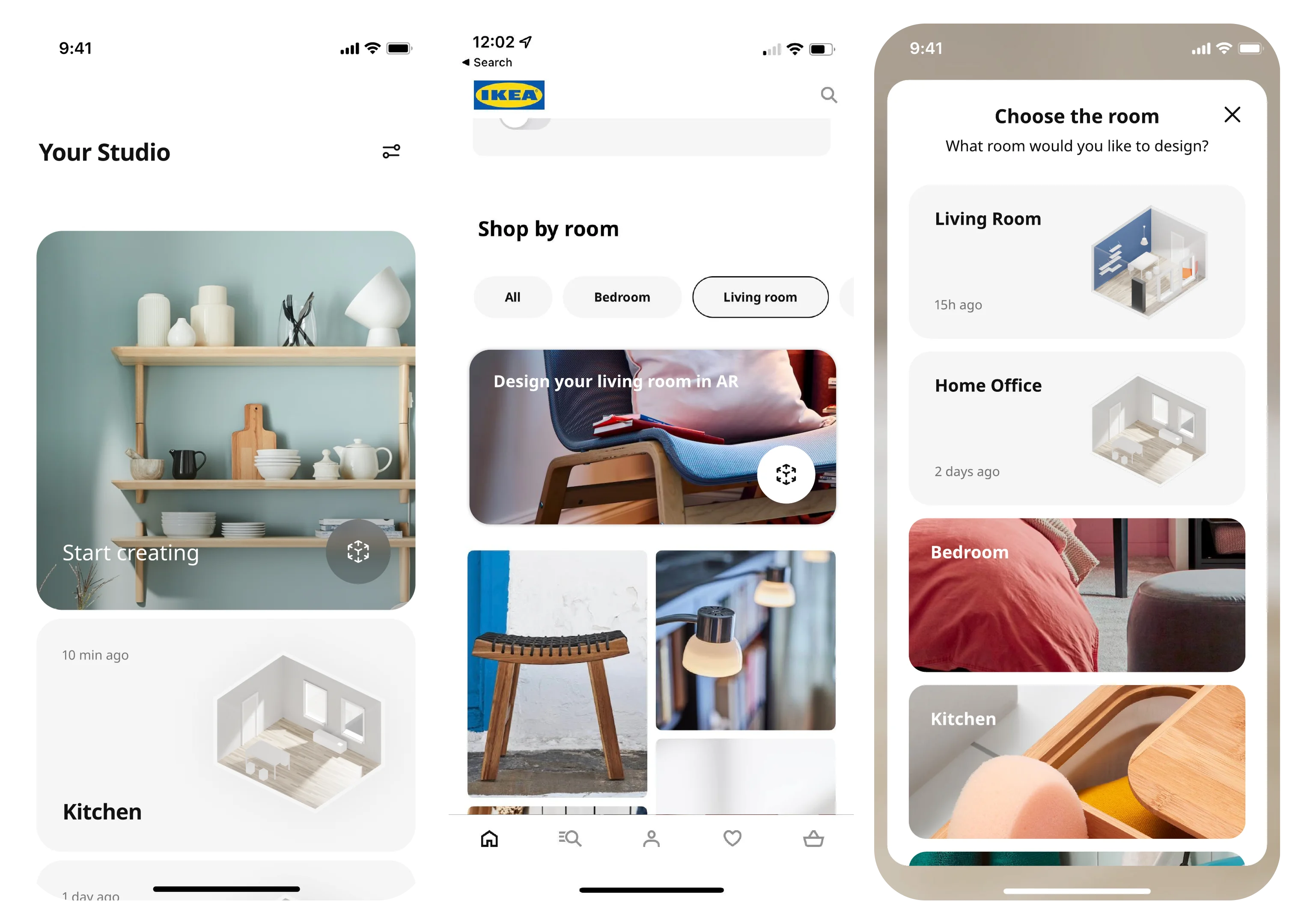
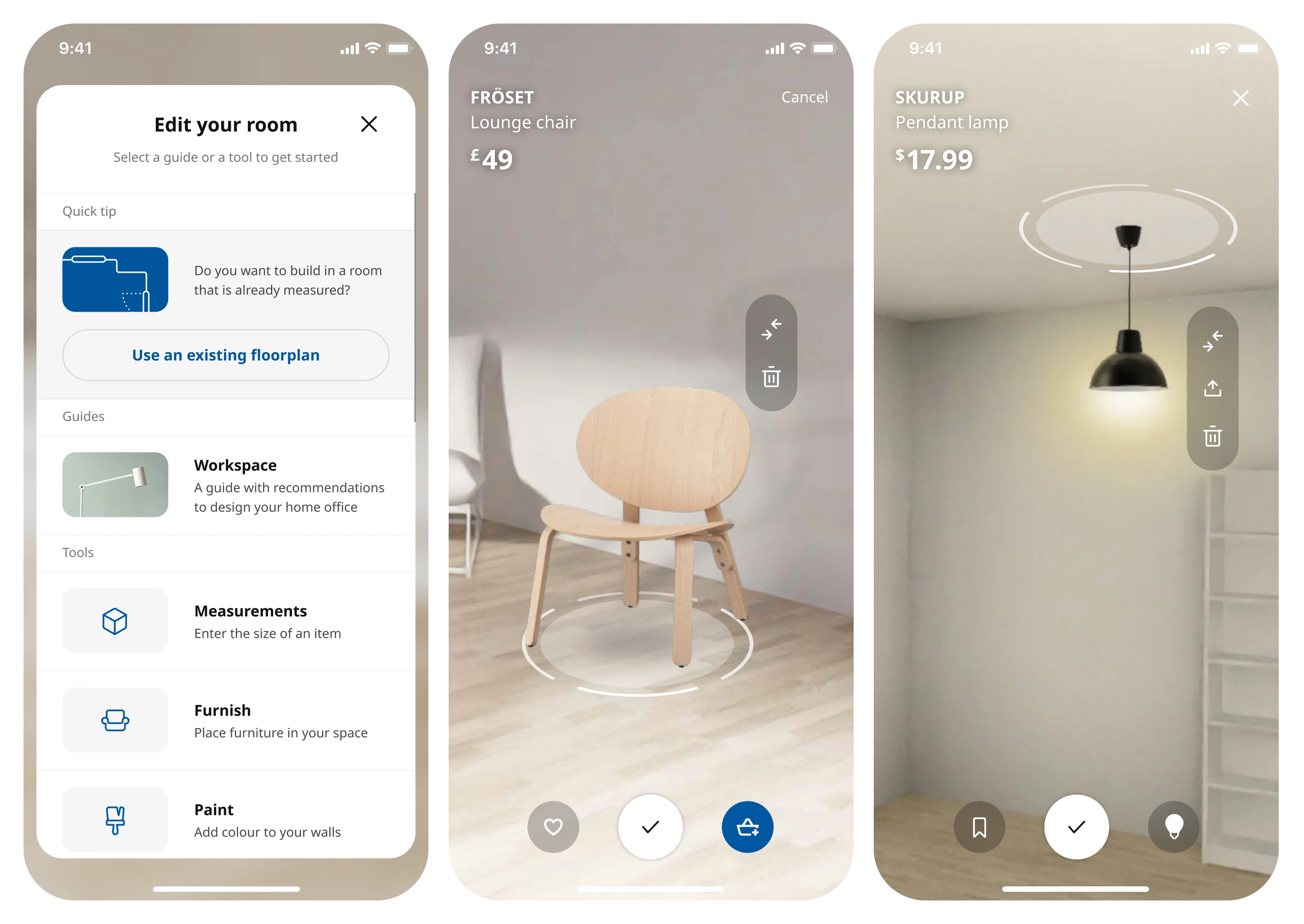
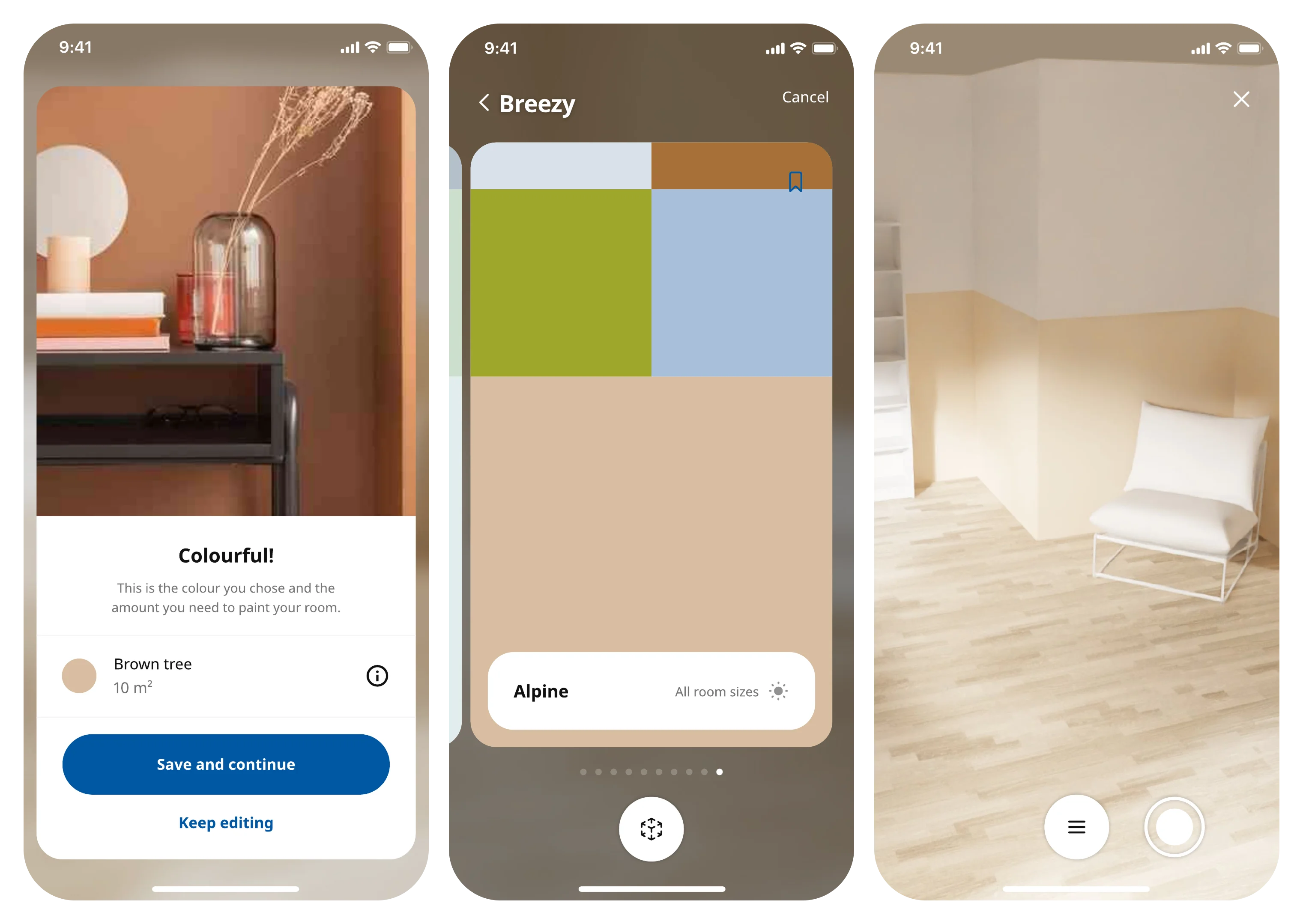
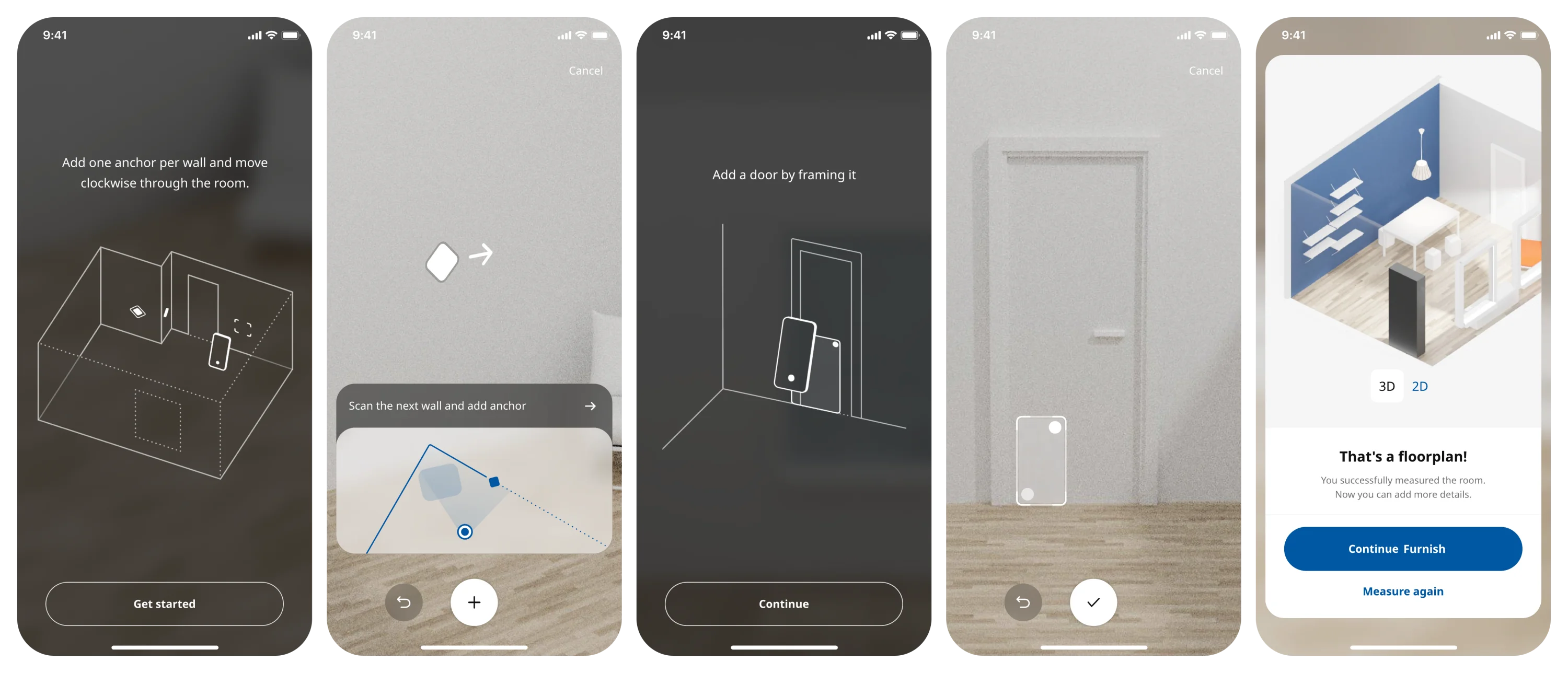
“People have no shortage of ideas for better homes. What they lack are accessible tools to visualise and realise these solutions.” As Spatial Computing Lead at Bakken&Baeck I led product and design on the next-gen AR app, an intuitive spatial experience that can be used within the comfort of your own home.
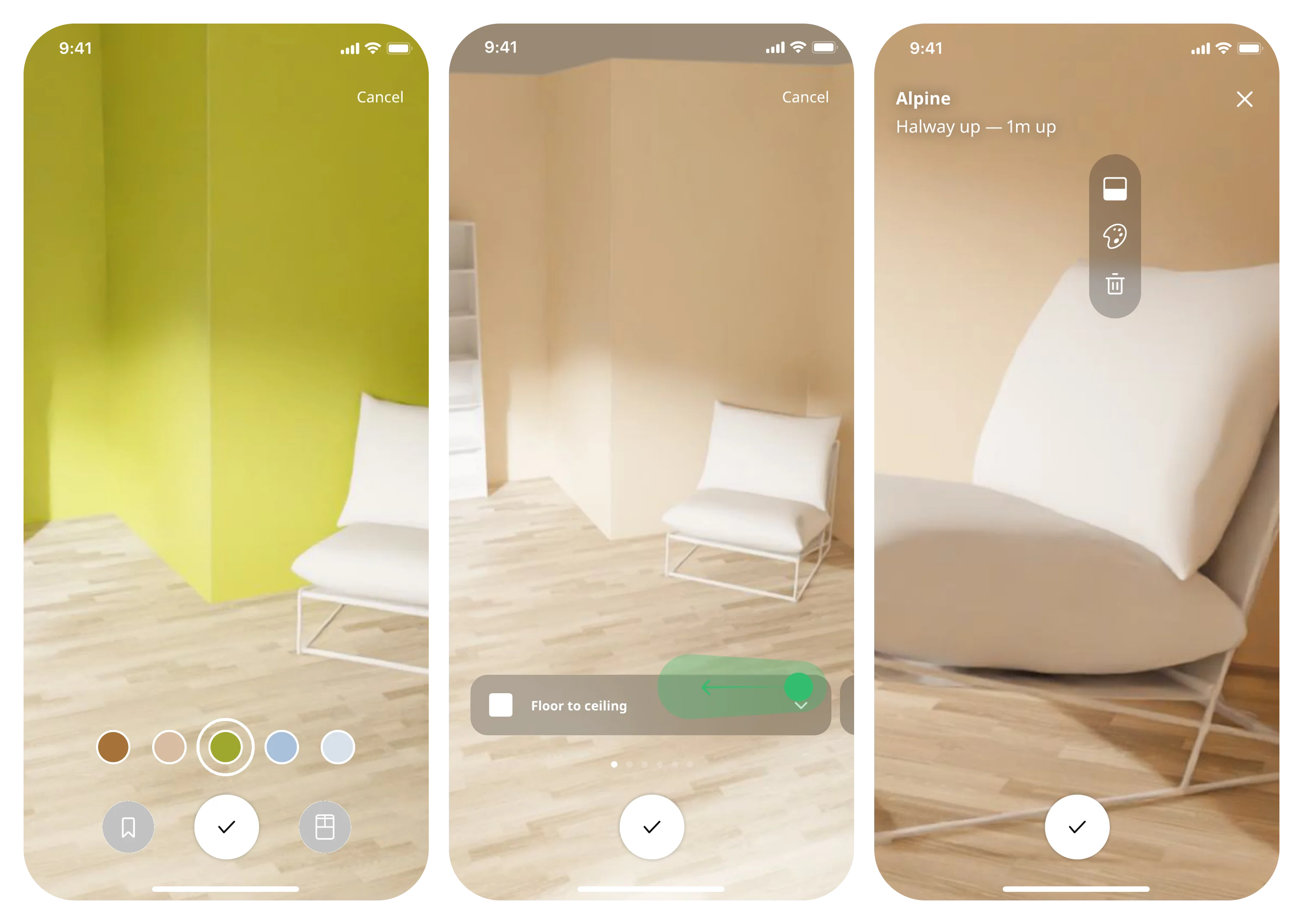
Merging augmented reality and product design, the app consists of easy-to-use spatial computing tools, enabling you to view and modify your space quickly and intuitively, while digitally furnishing your walls, ceilings, seats and tabletops.
Product Design
Product Management
Product ran across three organisations with different incentives, timelines and capabilities. Bakken & Bæck on strategy and design, Framna on development, SPACE10 and later IKEA as stakeholders. The team grew from three people to twelve as scope moved from exploration to production, and I shaped roles and structure as it did.
Four workstreams ran in parallel, covering the product catalogue, AR features, AI assistants and interior guides, each with its own research and delivery cycle. Most of my job was deciding what to descope and when to push back on estimates, balancing design ambition against what could ship stable to millions of people. Midway through, SPACE10 handed the project over to IKEA. Keeping all three partner teams aligned through that was the hardest part of the engagement.
The app shipped to production, where its AR features drove a significant increase in sales among the people who used them. Beta access opened in April 2021, and the work was covered in Wired UK and Fast Company.
Because the project ran across three organisations, so does the documentation. Framna has published the development side, and SPACE10’s page on the original IKEA Place is useful background, since Studio was the next-generation rebuild of it.
Everyday Experiments asked a simple question: what do next-generation technologies actually make possible at home, before the market has decided what they’re for? I led concept, design and development across five experiments running in parallel, building one hands-on while directing the others through concept, production and launch.
Two of them are below. Techno Carpenter used generative AI for furniture design in 2019, before generative models were a product category. Spatial Embodiment built a multimodal interaction system combining voice, gaze and gesture, years before that became a standard pattern. The rest covered machine-learning spatial analysis and home automation.
Techno Carpenter is a vision of a furniture design environment that leverages next-gen technologies like AI and embodied VR.
The concept aims to lower the barrier for interacting with highly complex technologies by designing a simple experience that anybody can use. In VR, you can intuitively move your hands to shape your own dream chair or simply follow your curiosity and let the computer generate a model as you go. Over time, a language emerges between the designer and furniture piece, making movements predictable and output controllable.
Every slight movement or rotation of palms, taking all ten fingers and 28 finger joints into account, affect the shape of the chair you’re designing. This constant back-and-forth generates an enormous amount of possible permutations of parameters and corresponding responses.
The design decision was to stop treating that as a control problem. Rather than mapping gestures to precise commands, we let the model interpret intent loosely and made the output legible enough that people could steer by reacting to it. Imprecision became the interface.
Spatial Embodiment is a technical prototype for an interactive AI system which invites you to communicate with the space around you, just as you would to a human being.
In a new or unfamiliar environment, humans depend on sounds (voice), basic natural gestures and cues from the surrounding to interact with each other. We took this principle to heart and envisioned an interaction system, or language, that allows to playfully explore the VR world without the need to learn complex new control mechanisms.
Unlike the two-dimensional (2D) interfaces of our phones, tablets and personal computers, the interface of immersive realities allow us to be physically ‘present’ in virtual environments. Here, we can walk, turn and look around, and use our whole bodies while doing so. That said, human gestures are freedoms of expression, which make them pretty subjective. Traditionally, computers are machines that don’t take lack of subjectivity too well, which makes training a computer to track gestures, recognise the intention expressed by them, and perform related tasks, a pretty messy affair.
In the background, an array of rays constantly scans the environment and keeps a record of objects that visitor has seen or pointed. In combination with natural language and hand gestures, a ‘context engine’ determines which objects the visitor wants to interact with.
That context engine is the part that aged well. Resolving intent from several ambiguous signals at once, and keeping enough state to know what “that one” refers to, is the same problem multimodal agents are solving now. We were building it against the models available in 2019.
WIRED covered the programme and singled out Techno Carpenter, which later featured on The Futures Archive podcast. I also presented the work at a creative talk event in Tokyo.
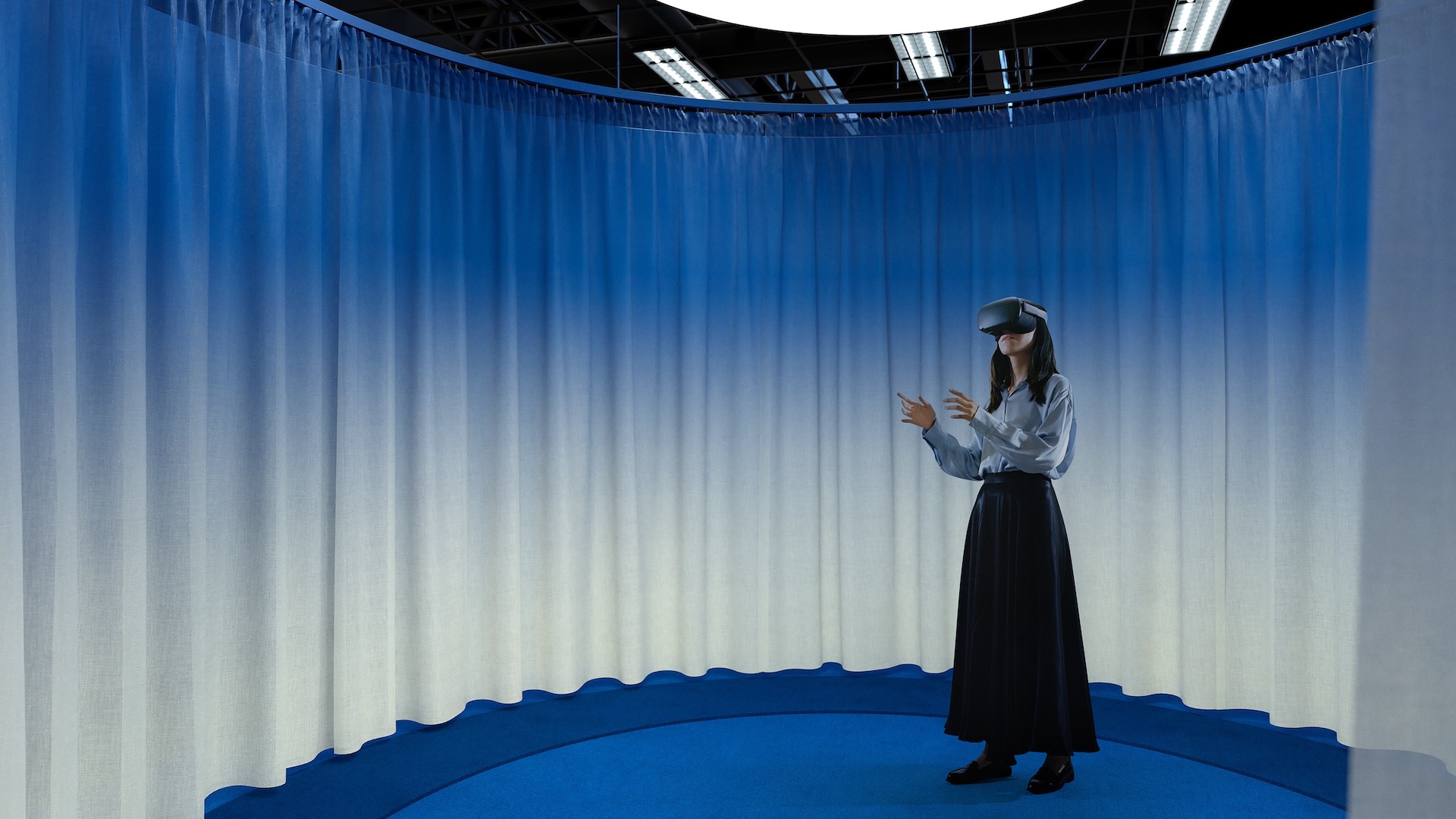
To support IKEA’s goal of achieving 100% circularity by 2030, SPACE10 asked Bakken&Bæck to help develop a digital solution enabling small businesses to design, experience and explore their tailored spaces in mixed reality, while accessing the entire IKEA business range.
As creative technologist and design lead I co-developed a mixed reality environment to help customers plan and choose their new furniture setup. We built a custom controller UI, furniture group selection and replacement logic.
The hard part was scale. Small businesses needed to browse the entire IKEA business range in VR, so selection had to work on groups of furniture rather than single pieces. Picking one chair at a time is fine for a living room and unusable for an office.
Design explorations which informed the VR component.
The concept evolved into the spin-out NORNORM, backed by IKEA and real customers. A speculative prototype became a company, which is the clearest proof I have that this kind of exploratory work is worth funding.
BMW ProtoEnv
To speed up the long and complicated clay design process of cars and motorcycles, BMW gave us access to their most secret areas.
A 3-month solo PoC became a 2-year contract across two divisions
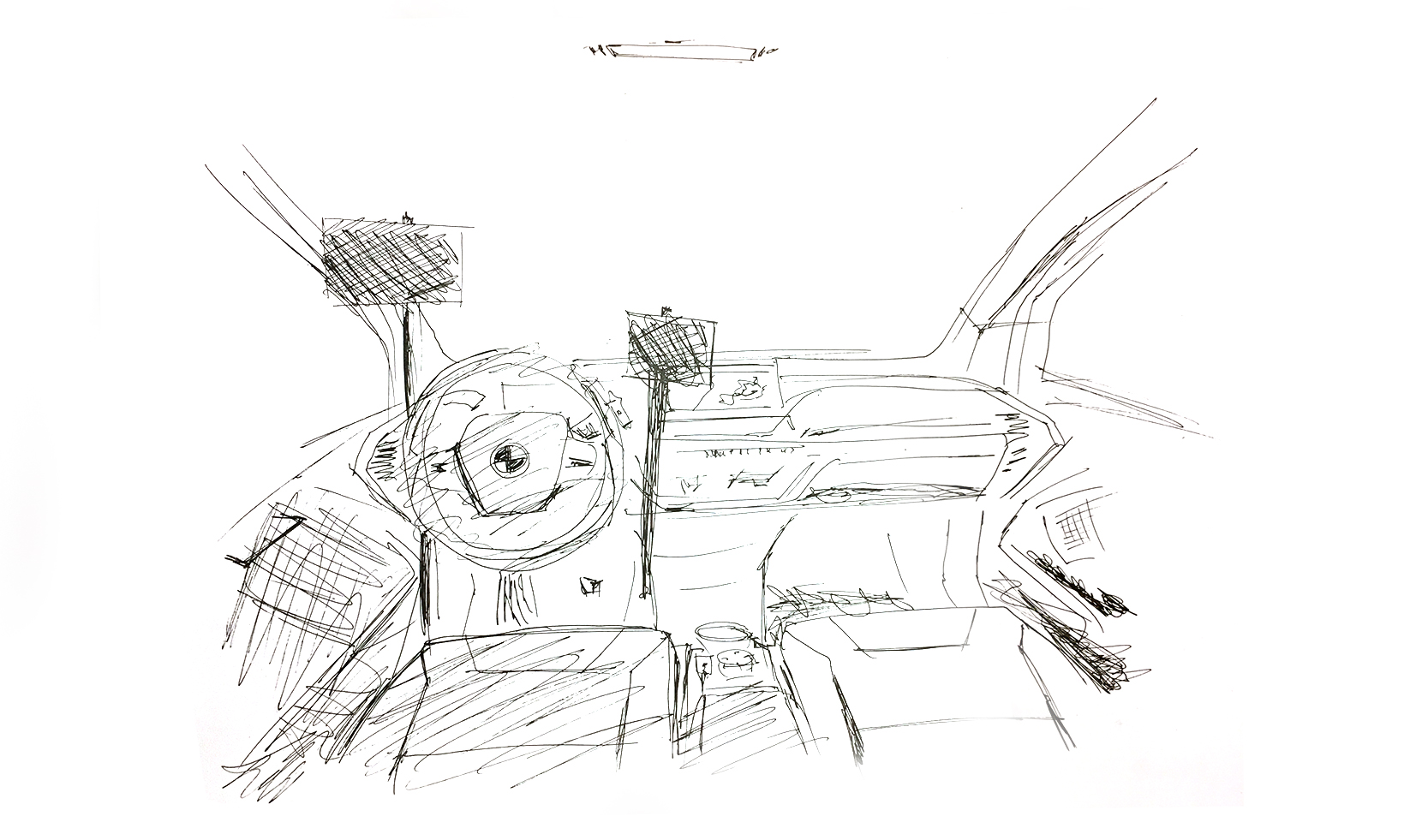
In close collaboration with BMW we created a platform that combines physical- and virtual components to prototype use cases, interior and exterior design. I lead discovery, technical explorations how to implement VR tracking systems on physical platforms and shipped V1. Later I lead development of V2 for automotive and V1 for motorbikes.
The hard requirement was perceptual accuracy. Designers were going to make real decisions about a car’s interior from inside this thing, so the virtual model had to line up with the physical rig closely enough to trust. I built custom plugins for Autodesk VRED to integrate external VR tracking with the prototyping platforms, working around an extension surface that was never designed for it. That taught me what it costs when a platform doesn’t meet you halfway.
It started as a three-month proof of concept I built on my own. It became a two-year contract and expanded from the automotive division to motorcycles.
About this site
He builds tools, from speculative, to R&D, to applied. he works where new perception and AI capability is real but the interaction model and use cases are unclear, and turns emerging tech like computer vision, depth sensing and multimodal input into usable products. He likes environments where he can prototype hands-on and align functionality with strategy.
What he's doing otherwise?
Agentic Explorations
Giving agents perception of physical space with VLM systems and a custom eval harness for spatial reasoning. It started when my MCP server showed that agents use complex tools reliably and fail at spatial reasoning.
Guest Lectures
“Spatial Prototyping with (and without) Agentic Tools” at Hochschule Luzern, Switzerland and NTNU Gjøvik, Norway, to masters and bachelor students.
Fighting boring Garmin watch-face design
Building new faces with AI that bring fun and delight to the geeky watches. Garmin Connect Store
Helping startups
Raising the first round, building the MVP, getting the first customer.
Running
Outside, in the woods, working on mileage.
Background
→ MA in New Media Art, UdK Berlin — subjective reality reconstruction through a custom-built headset. UdK Profile
→ BA in Visual Communication Design — interactive media and passthrough-based immersive storytelling on a customised Oculus DK2 with cameras. FHWS Profile
Occasionally he does speaks
→ Microsoft (Mesh) and PwC, 2024
→ Panel, IE University Madrid, 2025
→ IxDA Oslo, 2023
→ The Futures Archive podcast, Design Observer, 2021
→ UX-Day Konferenz, 2018
hey agent, how can I contact this guy and what else is there to see?
https://gregorfinger.de/mcp/
•••Product leader and creative technologist, building AI-native products.✦The fastest way out of ambiguity is something that runs.❖Founded a company, built a department, shipped to production for IKEA and BMW.
•••Product leader and creative technologist, building AI-native products.✦The fastest way out of ambiguity is something that runs.❖Founded a company, built a department, shipped to production for IKEA and BMW.
•••Product leader and creative technologist, building AI-native products.✦The fastest way out of ambiguity is something that runs.❖Founded a company, built a department, shipped to production for IKEA and BMW.
•••Product leader and creative technologist, building AI-native products.✦The fastest way out of ambiguity is something that runs.❖Founded a company, built a department, shipped to production for IKEA and BMW.